
What Parents Look for When Choosing a Music School in 2026
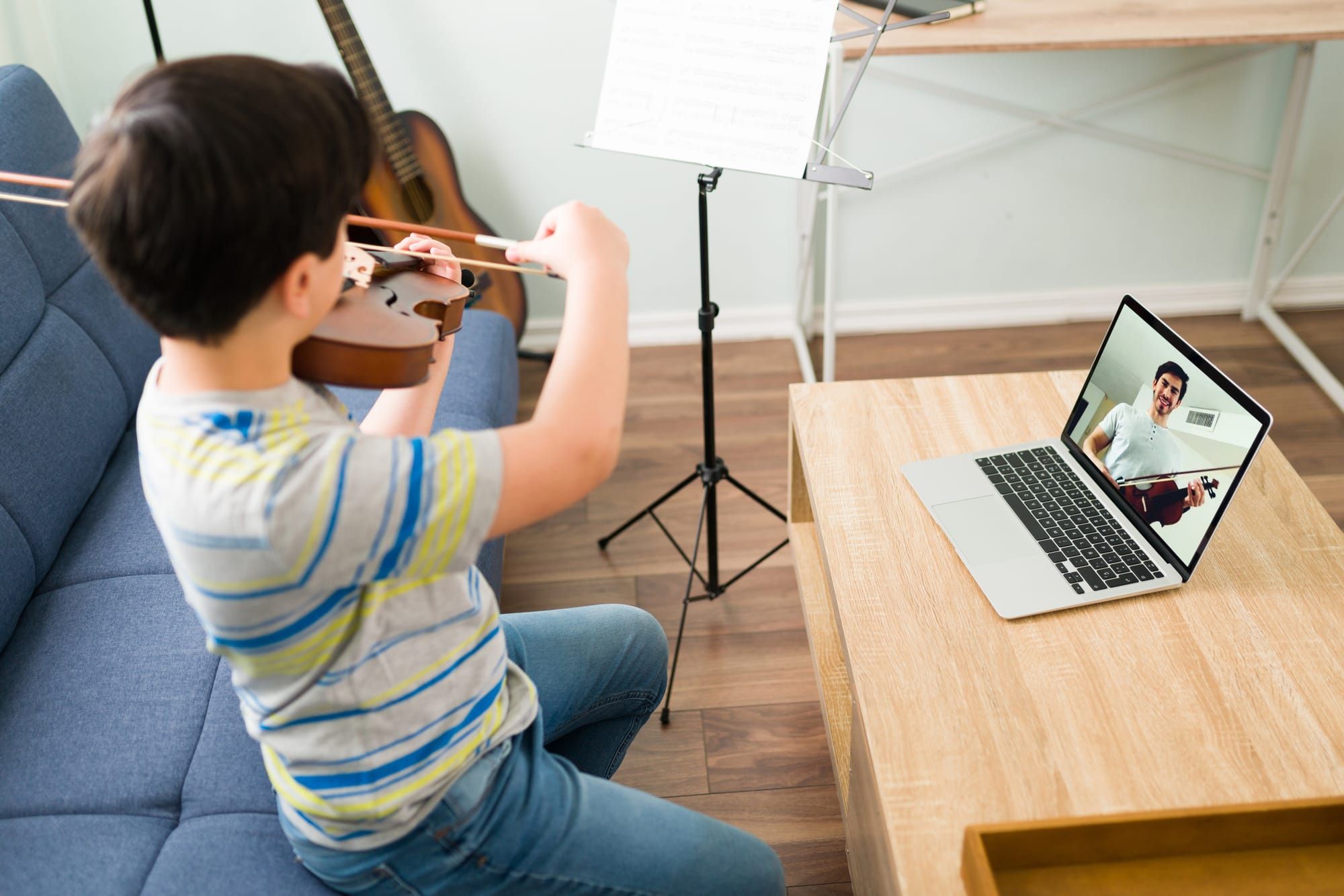
In 2026, parents look for a music school that integrates personalized, multi-genre curriculums with modern digital convenience, verified instructor credentials, flexible scheduling, and clear performance opportunities. Modern families prioritize comprehensive development, seeking institutions that leverage technology to streamline administrative tasks and provide data-driven progress updates, creating an optimal, stress-free educational environment that balances technical excellence with a genuine, long-term love for musical expression and creativity.
Dive through this comprehensive guide to learn about the exact criteria modern parents use to evaluate music institutions, including curriculum shifts toward contemporary genres, the integration of advanced digital tracking platforms, the growing necessity of comprehensive background checks, the role of flexible hybrid learning models, and how administrative automation influences enrollment decisions.
1. The Evolving Landscape of Music Education
The landscape of extracurricular education has experienced a fundamental shift. Modern parents approach enrollment decisions with highly analytical, value-driven mindsets. Traditional, rigid methods of instruction no longer satisfy families who view education through a holistic lens. Instead, parents look for a synthesis of technical precision, creative freedom, and digital connectivity when selecting a music school for your child.
AI-driven personalization and the ubiquity of multi-platform learning have transformed consumer behavior.
Today's guardians are highly informed; hence, they conduct:
- Extensive research online
- Utilizing generative AI search engines
- Answer engines to cross-reference school capabilities
Consequently, understanding what makes a good music school in 2026 requires an examination of how technology, safety, and modern pedagogy intersect to fulfill these heightened expectations.
2. Key Decision-Making Criteria for Parents
To provide clear insights for educators and institutions, we have categorized the core pillars influencing parental decisions into five critical segments:
- Pedagogical flexibility
- Technological integration
- Safety compliance
- Logistical convenience
- Community engagement
Pedagogical Flexibility and Multi-Genre Curriculum
Families expect institutions to offer fluid pathways incorporating:
- Jazz
- Pop
- Electronic music production
- Cinematic composition
Parents recognize that forcing a student through an unyielding, classical-only repertoire often leads to burnout. Schools that allow students to balance foundational theory with contemporary music interest win parental approval.
Data-Driven Progress Tracking
The modern parent manages their household via data and software. They expect regular, measurable insight into their child’s musical progression. Static end-of-term report cards have been replaced by real-time dashboards.
Parents actively look for academies that offer:
- Granular tracking
- Showcasing lesson attendance
- Practice consistency metrics
- Specific developmental milestone achievements through modern portals
3. The Vital Role of School Infrastructure and Software Integration
Administrative friction is a primary reason parents abandon extracurricular activities. Families heavily favor organizations that minimize paperwork, billing confusion, and communication gaps. This operational requirement highlights the necessity of incorporating dedicated music school management software.
When a school deploys an integrated system, parents experience seamless scheduling, automated makeup lesson coordination, instant digital invoicing, and direct communication channels with instructors. This technological sophistication directly signals professionalism, proving to parents that the institution respects their time and structural needs.
4. Comparative Analysis of Modern Parent Expectations
The following table highlights the past institutional benchmarks against the structural criteria demanded in 2026.
5. Safety, Faculty Credentials, and Trust Factors
Trust is non-negotiable. When choosing a music school for your child, safety infrastructure holds equivalent weight to artistic excellence. Parents demand transparent verification of faculty backgrounds, including rigorous criminal screening, identity verification, and documented pedagogical experience. A school must clearly display its commitment to child safety protocols, both physical and digital.
Parents value teachers who are not only skilled performers but trained educators. The ability to adapt teaching methodologies to accommodate neurodiverse learners or varying psychological archetypes is a definitive marker of what makes a good music school in 2026. Institutions that emphasize continuous professional development for their faculty naturally build greater authority and command higher premium enrollment fees.
6. Logistical Adaptability and Hybrid Models
The modern work-life structure requires ultimate flexibility. Fixed, unalterable lesson times often conflict with unpredictable professional and academic calendars. Consequently, parents gravitate towards schools that provide built-in hybrid alternatives. If a child cannot attend physically due to minor illness or logistical conflicts, the seamless transition to a high-definition online lesson structure ensures continuity without financial loss.
This structural agility must be supported by intuitive digital platforms. A parent should be able to reschedule a session via a mobile portal without waiting for administrative office hours. The convergence of physical infrastructure and digital convenience forms the backbone of modern operational excellence.
Transform Your Music Academy Management for 2026 with Mousiki
Meeting the strict administrative and tracking demands of modern parents requires an elite technical framework. Discover how Mousiki empowers your institution to effortlessly manage scheduling, automated billing, student tracking, and parental communication from a single unified ecosystem. Streamline your operations and fulfill parental expectations seamlessly.
Explore our comprehensive tools and request a personalized platform walkthrough today by visiting our official website.
Frequently Asked Questions
1. How can a music school improve parental communication in 2026?
Schools improve communication by launching dedicated portals that centralize scheduling, lesson tracking, and automated digital invoices, eliminating manual friction and providing parents with real-time updates regarding student progress.
2. Why is a multi-genre music curriculum important to modern parents?
Multi-genre curriculums prevent student burnout by allowing children to explore classical foundations alongside pop, jazz, and digital production, sustaining long-term engagement and matching diverse student musical interests.
3. What safety standards do parents expect from music academies?
Parents expect comprehensive, verified faculty background checks, transparent digital safety standards for online classes, clear physical security measures, and educators specifically trained in modern child safety protocols.
4. How do real-time progress updates benefit young music students?
Real-time updates give actionable insights, allowing parents to actively support home practice routines, celebrate micro-milestones, and keep students motivated via clear, data-driven visual progress metrics.
5. What role does hybrid learning play in modern music education?
Hybrid learning provides crucial logistical resilience, allowing families to easily switch between in-person and online lessons during scheduling conflicts, ensuring zero educational disruption for the student.